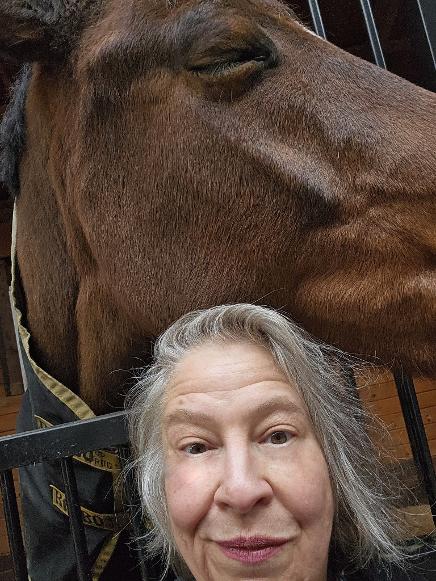
Reisa Stone is a Ukrainian settler
born in Treaty 1 territory, home of the Anishinaabe (Ojibwe), Assiniboine, Nehiyaw
(Cree) and Metis original peoples of the territory of present-day southern
Manitoba. She now gratefully lives on unceded lək̓ʷəŋən (Lekwungen)
territory.
She has volunteered with the Union of BC Indian Chiefs,
United Native Nations, Wild Salmon Defenders Alliance, Victoria Native Friendship Centre and Friends of the Nemaiah Valley.
This included media liasion during the Kanien'kehá:ka (Mohawk)
Kanehsatà:ke and Lil'wat resistances, centring Indigenous voices.
She
is a lifelong horsewoman and Nature defender, and was taught
traditional Ukrainian animal communication by her grandmother. She is
also a singer, photographer, writer and former vet tech/wildlife
rehabber. Reisa was on the team that repopulated white tailed deer in
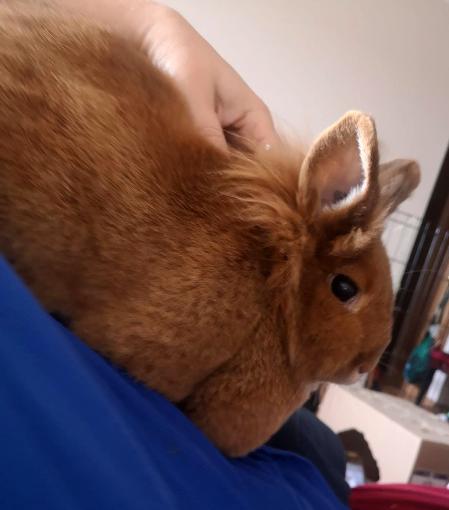
Winn-ippee (Winnipeg) by rehabbing orphaned fawns. She trained and lives with Turtle Island's first Service Rabbit, Borys.
She is a a Canada Council for the Arts designated grant recipient in five categories: Music, Theatre, Literature, Disability Arts and Inter-Arts. Ironically, not yet Visual Arts. Her book "Baba's Kitchen Ukrainian Soul Food" is a special selection of the Ukrainian Canadian Congress and the National Ukrainian Museum. Its collected stories and recipes from survivors of Russian genocide (including Reisa's family) are told with much gratitude to the Indigenous peoples who welcomed them, despite the government settling them on stolen land. Reisa's family engaged in mutually beneficial trade relationships by importing distinctive floral cloth from Ukraine. These became known as kokum scarves.
With certification from the Business Development Bank of Canada, Reisa's aim with this website is consensual allyship to support the visibility and economic development of Indigenous artists.